Reliable Mcwinn Brantford offering complete filtration services
Reliable Mcwinn Brantford offering complete filtration services
Blog Article
The Comprehensive Guide to Air Filter Cleaning: Improve Your Home's Air Quality
Air filters serve a critical function in preserving indoor air quality by trapping harmful particles. Routine maintenance and filter updates can greatly impact health and HVAC efficiency. However, many homeowners fail to recognize the importance of consistent care. Knowing when and how to clean various filter categories is vital. This guide presents practical insights, common pitfalls to avoid, and additional strategies for improving air quality. What steps can be taken to ensure lasting improvements in the home environment?
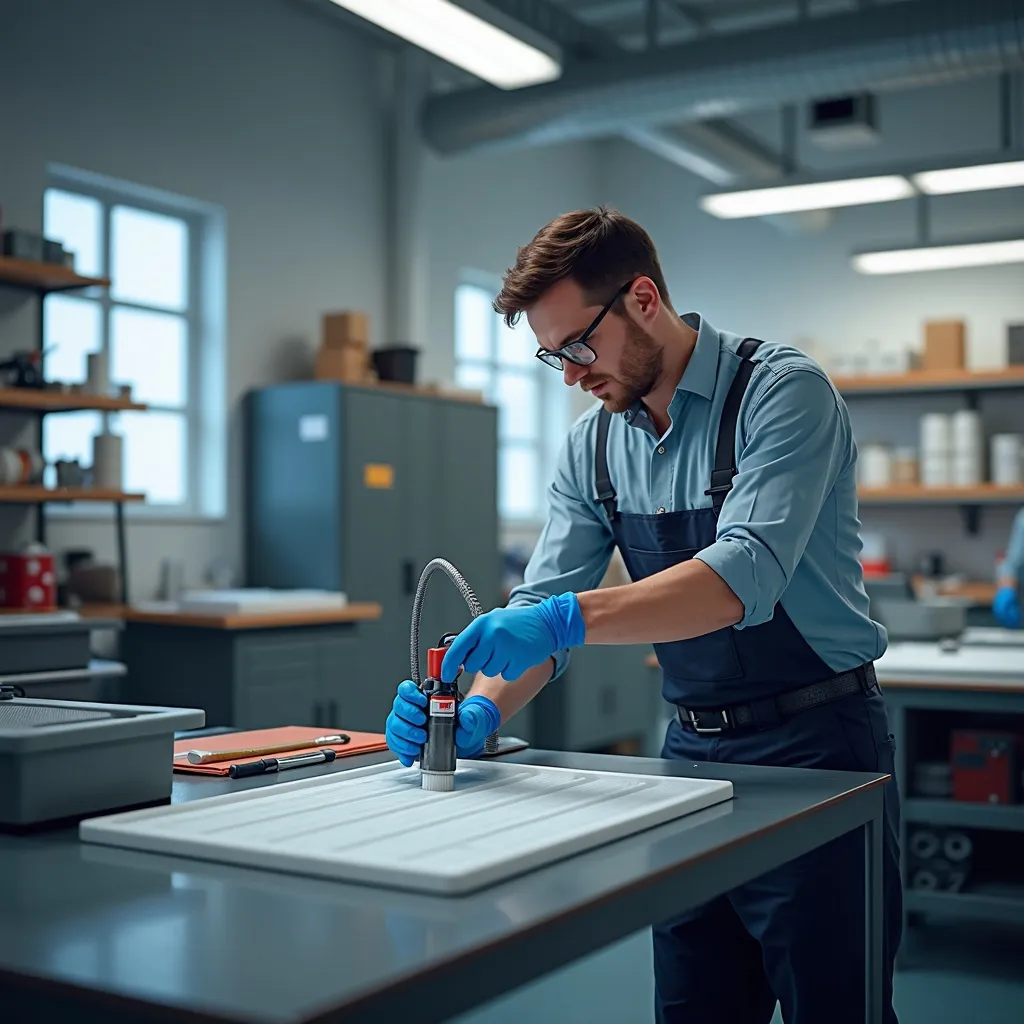
Why Clean Your Air Filters? The Wellness Advantages Discussed
Frequent air filter cleaning is vital for sustaining a clean indoor atmosphere. Accumulation of allergens, pollen, and dust in air filters can produce poor air quality, which might worsen respiratory conditions and allergies. By ensuring filters remain clean, families can substantially decrease airborne pollutants, establishing a more secure space for all occupants.
Furthermore, fresh air filters boost the efficiency of HVAC systems, causing better circulation and temperature control. This efficiency means decreased energy bills, as the system does not have to labor as intensely to maintain desired conditions. Additionally, a well-maintained air filter can extend the lifespan of HVAC equipment, reducing the need for costly repairs.
At what point should you clean or replace your air filtration units?
How often should air filters be replaced or cleaned? The interval depends on multiple elements, including the type of filter, home environment, and usage patterns. Generally, single-use filters should be replaced every 1 to 3 months, while reusable filters may need cleaning every 1 to 2 months. Homes with animals, smokers, or increased allergen exposure may necessitate more regular replacements due to increased dust and allergens.
Performing a visual inspection can also be a guideline. If the filter appears dirty or filled, it is time for changing or cleaning. HVAC systems may contain particular recommendations based on their setup, so following the manufacturer’s instructions is advisable.
Ongoing servicing not only prolongs the life of the air filtration system but also assures excellent air quality. Assessing air filter condition helps maintain a cleaner indoor environment, ultimately enhancing the well-being of all household members.
Top Products for Cleaning Air Filters
Maintaining air filters properly demands suitable tools to maintain peak performance and lasting durability. Vital tools include a vacuum cleaner supplied with a brush attachment, which can effectively extract dust and debris from filters. A soft brush or microfiber cloth can also be advantageous for gently scrubbing surfaces without harming them.
Also, a hose with spray nozzle facilitates flushing filters that are washable, making certain all contaminants are eliminated. For filters demanding deep cleaning, a gentle cleaning solution may be used, so having a bucket for mixing is beneficial. Finally, protective gloves can protect hands from dirt and chemicals.
For increasingly specialized air filters, such as HEPA or activated carbon, referencing the manufacturer's recommendations is critical. Overall, possessing background information the proper equipment not only simplifies the cleaning process but also enhances the general air purity within the home.
A Detailed Step-by-Step Guide to Servicing Different Types of Air Filters
A careful method to maintaining air filters guarantees optimal functioning and lengthens their durability. The first step requires identifying the type of air filter, whether it be HEPA, washable, or disposable. For HEPA filters, light suction is suggested to eliminate surface dust, followed by light wiping with a moist rag. Washable filters need washing under lukewarm water to remove debris, making sure they dry completely before reinstallation. Disposable filters, however, should be changed rather than cleaned; examining them for wear is crucial.
Next, examining the manufacturer's guidelines offers specific instructions tailored to the filter type. Routine maintenance schedules, preferably every one to three months, assist in maintaining efficiency. Finally, during the maintenance process, people should use protective gear, such as gloves and masks, to avoid inhalation of dust and allergens. Implementing these steps will significantly enhance indoor air quality and ensure ideal air flow throughout the home.
Skip These Ordinary Air Filter Cleaning Mishaps
Cleaning air filters can lead to unforeseen difficulties if typical errors are not prevented. Disregarding the specific requirements of different filter types and overusing cleaning products can diminish effectiveness and create harm. Identifying these traps is essential for maintaining optimal air conditions and extending filter lifespan.
Neglecting Barrier Variety
Countless property owners ignore the significance of filter type when cleaning air filters, causing ineffective maintenance and possible harm. Various air filters, such as HEPA, pleated, and electrostatic, each have unique cleaning requirements. As an example, HEPA filters are engineered to capture microscopic particles and should typically be substituted rather than cleaned, as cleaning can weaken their effectiveness. In contrast, cleanable filters can be maintained multiple times, but applying wrong techniques may decrease their lifespan. Ignoring the particular instructions associated with each filter type can lead to substandard indoor air and elevated energy costs. Homeowners should acquaint themselves with their filter details to ensure proper care and peak performance in preserving indoor air quality.
Excessive Application of Cleaning Products
Excessive use of cleaning solutions can unintentionally harm air filters rather than boost their performance. Many individuals mistakenly think that using more cleaning agents will produce improved outcomes. However, heavy use can result in residue buildup, which blocks the filter and reduces airflow. This not only compromises the filter's performance but can also introduce harmful chemicals into indoor air. Additionally, aggressive cleaning techniques may damage the filter material, reducing its operational lifespan. It is crucial to follow manufacturer guidelines regarding how often you should clean and product recommendations. Choosing gentle, suitable products guarantees that air filters sustain their effectiveness without adverse effects. Exercising moderation in cleaning product usage safeguards both air quality and the integrity of the filters.
How to Keep Your Air Filters for Consistent Performance
Maintaining air filters is crucial for ensuring ideal performance over time. Establishing a regular cleaning schedule and adhering to proper filter replacement guidelines can greatly improve air quality and system efficiency. By prioritizing these practices, individuals can extend the life of their air filters and improve overall system function.
Frequent Cleaning Calendar
A steady cleaning schedule is essential for guaranteeing optimal function of air filters. Homeowners should create a routine based on the kind of filter and external elements. For instance, HEPA filters generally require fewer cleaning than standard disposable filters. It is advisable to check filters every month, especially during periods with intense use, such as summer and winter. If dirt or debris is visible, cleaning should be prioritized. Regular maintenance not only enhances air quality but also extends the life of the filter. Utilizing a calendar or reminder system can help individuals stay on track. By adhering to a regular schedule, homeowners can maintain ideal airflow and efficiency, providing a healthier living environment for all.
Right Filter Swap
Changing air filters regularly is essential for upholding perfect efficiency and air quality. Homeowners should institute a service routine based on filter type and usage. For standard fiberglass filters, changing them every one to three months is advisable, while high-efficiency particulate air (HEPA) filters may last six months or longer. Additionally, factors such as pet ownership, seasonal allergies, and environmental conditions can call for more frequent replacements. It is vital to determine the correct size and type of filter for the specific HVAC system to guarantee peak airflow and filtration efficiency. Regularly checking the filters for dirt and debris can provide a visual cue for timely replacement, ultimately enhancing indoor air quality and prolonging the life of the HVAC system.
Effective Solutions to Improve Home Air Quality Beyond Filters
While air filters play an essential role in boosting indoor air quality, numerous additional strategies can additionally help to a cleaner living space. One effective method is to enhance ventilation by opening windows and doors when weather permits, allowing fresh air to circulate. Utilizing exhaust fans in kitchens and bathrooms can also help reduce indoor impurities.
Regularly cleaning surfaces and minimizing clutter decreases dust accumulation, encouraging cleaner air. Incorporating indoor plants not only beautifies a space but also improves air quality by absorbing toxins and emitting oxygen. Selecting low-VOC (volatile organic compounds) paints and furnishings can diminish harmful emissions.
Keeping optimal moisture levels between 30-50% helps prevent mold growth and dust mite accumulation. Furthermore, avoiding indoor smoking and applying safe cleaning products can greatly improve air quality. By implementing these approaches, property owners can establish a more secure and more welcoming living environment.
Common Questions That Are Often Posed
Can I wash disposable air filter units and reuse them?
No, throw-away air filters are not made for laundering and reusing. Scrubbing these filters can compromise their construction and diminish effectiveness, causing substandard air quality. It's ideal to replace them regularly for peak performance.
How Routine Should My Air Filter Checks Be?
You should think about inspecting air filters every month. Routine inspections assist in identifying dirt buildup, permitting prompt replacement or cleaning, ultimately ensuring optimal air quality and HVAC system efficiency for a healthier space.
What Occurs if I Don't Maintain My Air Filters?
Not maintaining air filters can cause reduced airflow, decreased energy efficiency, and elevated dust and allergen levels in the home. Over time, this may result in respiratory issues and strain on HVAC systems, resulting in expensive fixes.
Do Air Purifiers Remove the Requirement for Filter Cleaning?
Air purifiers do not negate the necessity for filter cleaning. While they reduce contaminants, filters still accumulate dust and debris, necessitating regular upkeep to maintain peak performance and air quality in the home.
Do sustainable alternatives exist for air filtration devices?
Indeed, environmentally friendly options for air filters exist. These filters commonly utilize sustainable materials, such as repurposed materials or natural substances, and can enhance air quality while reducing environmental impact, making them a conscientious choice for consumers.
Report this page