Complete Guide to knowing when your air ducts need cleaning
Complete Guide to knowing when your air ducts need cleaning
Blog Article
Air Duct Cleaning: Inhale Easier With These Crucial Tips
Air duct cleaning plays an important role in preserving a clean indoor environment. It removes dust, allergens, and pollutants that can compromise air quality. Knowing when ducts require attention is vital for optimum HVAC performance. Homeowners typically overlook the tools and techniques needed for effective cleaning. Learning about these elements can greatly impact comfort levels and energy efficiency. What measures should one execute to guarantee improved air quality and better system efficiency?
How Air Duct Cleaning Strengthens Your Health
Air duct cleaning improves air quality indoors, creating better wellness for residents. Over time, allergens, pollutants, and dust accumulate within the ductwork, moving throughout the air. This buildup can aggravate health problems, respiratory issues, and allergies. By eliminating these impurities, air duct cleaning reduces the chance of airborne diseases and promotes a healthier living environment.
Additionally, clean air ducts can increase the efficiency of heating and cooling systems, bringing about more uniform temperatures and decreased energy consumption. This not only supports overall well-being but also reduces exposure to toxic contaminants that can be released when systems are poorly maintained.
Regular maintenance of air ducts guarantees that pure air circulates throughout the home, enhancing better sleep, boosted energy levels, and overall well-being. Ultimately, maintaining clean air ducts is an crucial step in protecting the health of all occupants.
Symptoms Your Ducts Need Cleaning?
Air duct maintenance is vital for maintaining a wholesome living environment. Homeowners must be conscious of several signs that suggest duct cleaning is needed.
One prominent indicator is visible dust or debris around vents or the air filter, suggesting buildup dirt within the ducts. In addition, if occupants experience increased allergic reactions, such as sneezing or congestion, it may indicate that pollutants are circulating in the air.
Unpleasant smells emanating from vents can also suggest mold growth or stagnant debris. Moreover, if the HVAC system is operating poorly, requiring frequent repairs or causing inconsistent temperatures, dirty ducts could be the culprit.
Finally, a jump in power bills might suggest a blocked system experiencing difficulty pushing air through. Noticing these symptoms can help assure routine upkeep and sustain superior interior air standards.
DIY Air Duct Cleaning Equipment You Need
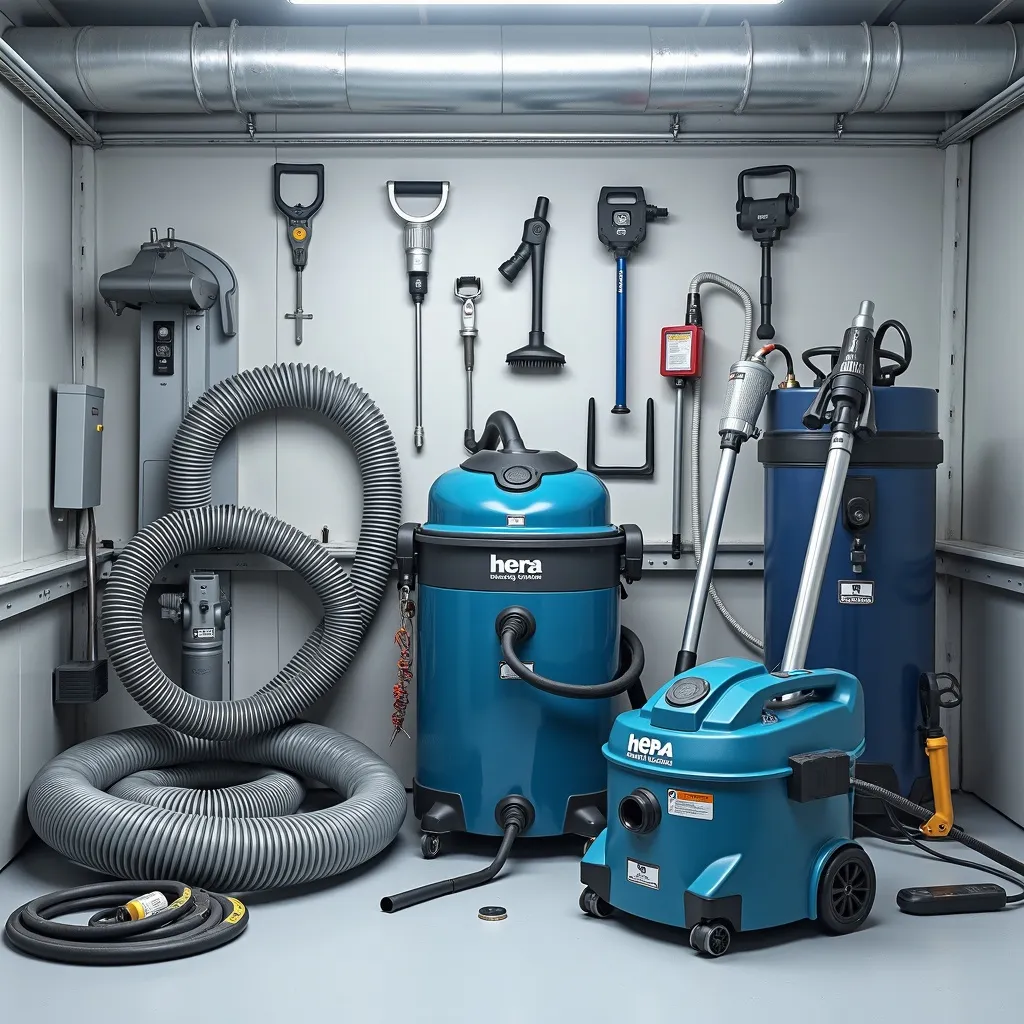
Maintaining clean air ducts requires the proper equipment to guarantee effective DIY maintenance. Necessary tools for this job include a vacuum outfitted with a HEPA filter, which captures small particles and allergen particles.
A collection of cleaning brushes, specifically designed for duct cleaning, helps dislodge dust and particles from the duct walls. Additionally, a light source is invaluable for examining shadowy spaces in the ducts, ensuring thorough cleaning.
Protective gear, such as hand protection and a respirator, is important to maintain protection while dealing with dust and potential contaminants. A screwdriver set is also essential for taking off vent covers and access panels.
A wet fabric can ultimately be used to wipe vent surfaces once cleaning is complete. Together, these implements provide a comprehensive kit for anyone intending to tackle air duct care effectively and safely.
Obtain Important Tools
Assembling the proper tools is imperative for an productive air duct cleaning operation. A high-quality vacuum cleaner with a HEPA filter is crucial for ridding dust and allergens.
A collection of brushes, including a long-handled duct brush, assists in removing debris from the duct walls. Adaptable duct cleaning rods can extend reach and facilitate access to hard-to-reach areas. Furthermore, having a flashlight allows for thorough inspection of the ducts' interiors.
Protective gear, including gloves and masks, ensures safety during cleaning. Finally, a step ladder may be needed for accessing higher vents.
Make Your Space Ready
A carefully prepared space is vital for an productive air duct cleaning procedure. First, the area around vents should be cleared of furniture and obstacles to facilitate easy access. This helps prevent any injury to belongings and confirms a detailed cleaning.
Next, property owners should seal supply vents with plastic sheeting to trap dust and debris during the process. It is also advisable to turn off the HVAC system to avoid circulating contaminants.
Finally, positioning a vacuum equipped with a HEPA filter nearby can assist in capturing any particles dislodged during cleaning. By taking these steps, individuals establish an ideal environment that facilitates effective air duct cleaning and enhances overall results.
Completely Clean Ducts
Before commencing the air duct cleaning process, it's vital for homeowners to grasp the sequential process that guarantees complete results and efficiency.
To begin, you should obtain the necessary tools, such as a vacuum, brushes, and microfiber cloths. Then, turn off the HVAC system to guarantee safety.
Finally, take off the vent covers and clean them with warm soapy water. By utilizing a vacuum cleaner, carefully remove dust and debris from the ducts. For more thorough cleaning, employ duct brushes to eliminate stubborn particles.
Once you finish tidying, reinstall the vent covers and change the air filter. Finally, switch the HVAC system back on and check for any unusual sounds.
Finding a Reputable Air Duct Care Business
How can one guarantee that they find a trustworthy air duct cleaning service? First, it is vital to examine potential providers carefully. Verifying for certifications, such as those from the National Air Duct Cleaners Association (NADCA), guarantees clients of adherence to industry standards.
Next, gathering multiple quotes enables a comparison of options and rates. A reliable organization will conduct a comprehensive review before providing an quote, sidestepping any deceptive inexpensive proposals.
Also, inquire about the equipment and methods utilized; a credible service will utilize sophisticated tools and techniques.
In conclusion, check the company has appropriate coverage and is bonded, protecting clients from conceivable damages.
Ways to preserve clean Air Ducts year-round the Year
Keeping air ducts immaculate continuously is necessary for securing superior indoor air quality and system efficiency. Periodic inspections are important; homeowners should check ducts for debris and dust deposits several times per year.
High-efficiency air detailed guide filters can markedly diminish contaminants when employed, since these filters trap smaller particles that standard filters could miss. It is prudent to replace these filters at least every three months or per the maker's recommendations.
Furthermore, decreasing internal air contaminants can help in maintaining duct cleanliness. This encompasses restricting activities that generate dust, such as smoking or using certain candles, and ensuring adequate ventilation when applying cleaning products.
Routine upkeep of the home, including sweeping and dusting, helps decrease the amount of dust that could enter the ducts. Finally, scheduling a specialized cleaning service every few years can further guarantee that air ducts stay clear of harmful buildup, encouraging a cleaner indoor space.
Air Duct Cleaning: Costs vs. Advantages
Examining the advantages and disadvantages of air duct cleaning reveals important insights for homeowners. The initial investment usually falls from $300 to $1,000, based on factors like the size of the home and the complexity of the duct system.
While this might seem substantial, the possible advantages often surpass the costs. Properly cleaned air ducts can boost indoor air quality, reducing allergens and irritants. This may cause fewer respiratory issues and lower healthcare costs over time.
Moreover, a well-maintained duct system can boost HVAC efficiency, potentially decreasing energy bills by 10-30%. Homeowners should also consider the durability of their HVAC systems.
Regular cleaning can extend the lifespan of the machinery, cutting down on the need for early substitutions. Ultimately, weighing the starting expenses against sustained health benefits and energy savings can support homeowners make informed decisions regarding air duct maintenance.
Commonly Asked Questions
How Routine Should My Air Duct Maintenance Be?
Professionals advise cleaning air ducts every 3 to 5 years. However, circumstances including pets, allergies, or recent renovations may require more frequent maintenance. Routine upkeep provides improved air quality and operational efficiency for superior performance.
Can I Clean My Air Ducts Without Professional Help?
Although it's feasible to remove duct debris without professional help, DIY methods may not produce comprehensive cleaning. Proper tools and techniques are vital for effective cleaning, making professional services often a more trustworthy alternative for superior air quality.
What Perils Come from Filthy Air Ducts?
Filthy air ducts can generate substandard indoor air quality, elevating allergens and pollutants. This might create respiratory issues, allergies, and overall discomfort. Additionally, gathered buildup can diminish HVAC efficiency, heightening energy costs.
Do Air Duct Cleaning Services Come with Certifications?
Many duct system cleaning services do provide guarantees, confirming client happiness. These guarantees often encompass the excellence of service rendered, providing confidence that the service will achieve defined benchmarks and resolve any issues that occur following the cleaning service.
Should You Spend Money in Air Duct Cleaning?
Investing in duct cleaning services can be valuable, as it improves air quality within your home, boosts HVAC performance, and potentially lengthens system operational life. Homeowners frequently observe tangible benefits, making it a smart choice for many.
Report this page